What to Do After You’ve Been Rear-Ended
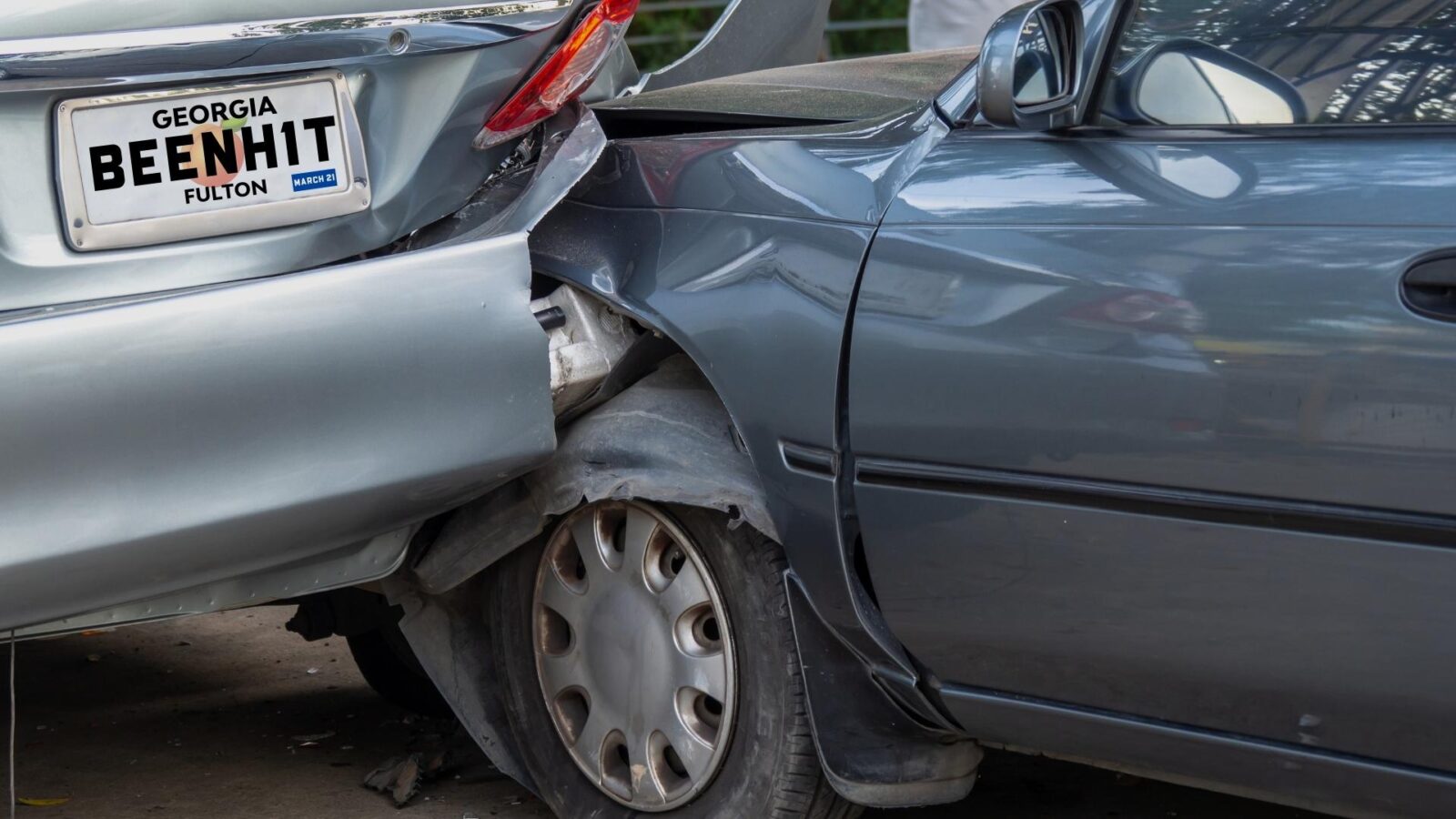
Nobody plans on being in an auto accident. However, in the adrenaline of the moment, it’s easy to panic. That’s understandable! After all, car crashes are traumatic and stressful events. Even minor collisions can come with unexpected car damage and injuries that may not show symptoms until later.
Unfortunately, insurance companies aren’t always sympathetic. From the moment you file an insurance claim, they’re often under pressure to resolve your case as quickly and cheaply as possible.
Knowing what to do after you’ve been rear-ended—and why it’s important—can make a huge difference in both the momentum of your claim and the size of the settlement you receive. If you’re ever rear-ended, or caught in a car crash, automotive accident, or collision, here’s what you should keep in mind.
-
After Getting Rear-Ended, Immediately Pull Off to a Safe Location
Regardless of where your accident occurs, your first priority should be getting to safety. It doesn’t matter if you’re driving at 15 mph along a suburban road or driving along Interstate 20, 75, 85, Georgia 400, or even the perimeter I-285.
After you’ve been rear-ended, pull off to the side of the road as soon as it is safe. Take a deep breath and try to remain calm. Assess the situation to make sure that nobody in the car is visibly injured or in need of medical attention.
Remaining in traffic, especially along a busy Atlanta road, can cause traffic jams or further accidents.
-
Call the Police
After an auto accident, Georgia law requires victims to call the police if any of the following conditions are present:
- More than $500 of damage has occurred to either vehicle.
- Someone is visibly injured.
- Someone died.
Estimating the amount of damage done to your car can be challenging, and it’s always possible it has suffered further damage you’re not aware of yet. To this end, it’s a good idea to notify the police after getting rear-ended immediately.
Reporting an Atlanta car accident to the police is also a valuable asset when filing your insurance claim. Having police on the scene creates documentation that an accident occurred, which can be vital if the accident occurs on private property.
Calling the police can also be vital if you suspect the other driver is legally intoxicated. Police officers are trained to deal with drunk drivers and ensure any potential intoxication on the other driver’s part is factored into the police report. It is worth noting that a drunk driver’s arrest or prosecution will not automatically provide compensation for your damages, injuries, or losses. You will still need to file an auto accident claim.
-
Gather Information
As soon as you step out of the car, you should assume everything you do will affect your auto accident insurance claim. While this may sound intimidating, remember this presents you with an opportunity to resolve things quickly and effectively to save yourself headaches further down the road.
If the other driver was clearly at fault, they are responsible for reporting the accident to their insurance provider. You shouldn’t always assume they will take care of things, however, and it’s important to make sure your sequence of events is represented. Taking a moment to write down a few notes about what happened and what you remember can serve you well in the future.
Afterward, approach the other driver and calmly request the following information:
- Contact information from the other driver and anyone in their car, including name(s), address, and a phone number where you can reach them.
- The insurance policy number of the other driver along with the name of their insurer.
- If there are other drivers or pedestrians, it is helpful to collect witness statements. Your goal with a witness statement is to collect an objective narrative of the events before, during, and after the accident.
- Photograph the scene, ensuring you get the license plates of every car involved. Photos are valuable to submit when you are filing an insurance claim after being rear-ended.
-
Seek Medical Attention
Even if you do not feel injured, getting medical attention after a rear-end collision in Atlanta is essential. As noted above, there is always the possibility you’ve suffered injuries that won’t manifest symptoms until days or weeks later. By getting medical attention early, you increase your chances of catching any serious or long-term injuries earlier and giving yourself a better trajectory for recovery.
Having any potential injuries documented is also crucial for your claim. Insurance companies can often employ all sorts of tactics to avoid covering medical expenses, and they’re notoriously reluctant to address potentially debilitating or long-term injuries. By having your medical expenses documented and inventoried by a medical professional, you increase your chances of getting offered a fair settlement.
-
File an Auto Accident Insurance Claim
Georgia automotive law follows a “fault” system, which means the at-fault driver is responsible for any personal injury or property damage during a car accident. It also means insurance will look at the at-fault driver’s insurance policy first to cover any recovery costs for the parties involved.
If the other driver was at-fault, this means you will likely be resolving your claim through their insurance provider. While the at-fault driver is expected to make a claim on their own, it can be beneficial to contact their insurance yourself. This is sometimes known as a “third-party claim.”
When dealing with insurance companies, be prepared to use all the information you gathered after the accident. Witness statements, photographs, police reports, and medical documentation can all affect your settlement. A Georgia personal injury lawyer can help organize that evidence and present it to the insurer.
-
Talk with a Personal Injury Attorney
What happens next can vary greatly. Your insurance may offer you an appropriate settlement to cover the cost of your recovery. If so, great! Unfortunately, insurance companies often try to avoid paying fair compensation, and they will continuously be pressuring you to settle for whatever number they first offer.
If you’re offered a settlement too small to cover your recovery costs and the damages to your vehicle, you should talk to an experienced rear-end accident attorney in Decatur immediately. Having a professional on your side evens the playing field and gives you a much higher chance of getting the settlement you deserve.
What Happens in a Rear-End Collision
A typical rear-end collision involves two vehicles in the same lane of traffic, one directly behind the other. Both vehicles are moving in the same direction, so when they collide, the force is not multiplied the way that is in a head-on or T-bone collision. However, the impact still unleashes compound physical forces that often lead to significant damage and injuries.
Rear-end collisions occur because the vehicles involved are traveling at different speeds, and usually something happens to suddenly amplify that difference. The vehicle in front may slow or stop suddenly. Or the vehicle behind might accelerate. Both drivers might adjust their speed at the same time.
The Impact
Regardless of the reason for the collision, when it occurs, the vehicle behind strikes the vehicle in front. That causes the front vehicle to jerk forward abruptly and then come to a stop just as abruptly. This jerking motion transfers energy from the vehicle to the bodies of the driver and passengers. Those in the front vehicle experience three sudden movements as their bodies fly forward, get released backward, and then are forced to a stop. The driver and passengers in the rear vehicle experience trauma as their bodies absorb the force of the impact all at once.
When drivers and passengers wear seatbelts, their bodies are held in place to match the vehicle’s motion, but their arms, legs, neck, and head are not restrained; as a result, these body parts can fly forward, extending far beyond their usual range. Seatbelts and airbags can save the drivers and passengers from experiencing a full impact with the dashboard or seat in front of them, but the trauma of their bodies against the safety devices can crush internal organs and bones.
Objects in the Vehicle Can Become Deadly
In the Atlanta suburbs, we often spend so much time in our vehicles that we carry stuff with us that we need for the whole day. This includes cell phones, purses, laptops, water bottles, food, and workout bags. Some people also use the car for storage, as it’s more convenient to keep items we need within reach. Many of us have tools, flashlights, first aid kits, coins, and emergency supplies in our vehicles. And of course, we use our vehicles to transport goods home from the store, such as groceries.
Instead of storing articles in the trunk, we keep them nearby in the backseat or on the floor. Of course, with the popularity of SUVs, minivans, and hatchbacks, we often don’t have the option of securing items in the trunk.
While it is convenient to have our belongings close at hand, they can also become deadly projectiles in a rear-end collision. The impact can force articles through the air with immense speed and power. Fatal injuries have occurred when a laptop computer from the backseat became airborne in a collision and struck the driver in the head. Even something as harmless-sounding as a plastic water bottle can strike with the force of a 40-pound weight in a rear-end collision occurring at only 30 miles per hour. At higher speeds, of course, the damage can be much greater.
You can prevent the risks caused by flying objects by taking steps to secure these objects whenever possible. If you have a trunk, store items there. Place smaller items in a console or glove compartment while driving. Every time you exit the vehicle, remove all unnecessary items, including trash.
Common Injuries in Rear-End Collisions
Whiplash is the injury that most people associate with rear-end collisions, and although this injury can lead to long-term complications, it doesn’t strike people as terribly serious. However, rear-end collisions frequently lead to other injuries that can cause permanent disabilities.
Accident victims can suffer traumatic brain injuries that impair the ability to reason and concentrate, making it impossible to work or focus on anything. Rear-end collisions can cause damage to the spinal cord, resulting in paralysis. Victims often suffer complications such as problems with circulation, bladder, and bowel control that can lead to further injuries and serious detriment to the quality of life.
It is also common for rear-end collisions to cause back injuries, including spinal fractures and herniated discs. As time goes on, these types of injuries often cause increasing pain and disability. Victims of rear-end collisions also suffer damage to the face, eyes, and ears, damaging the senses and leading to permanent disfigurement.
Get Full Compensation for Long-Term Needs After a Rear-End Collision
After a rear-end collision, many accident victims do not realize the complications they are likely to face in the future. Instead of healing, their injuries often grow worse over time. An experienced car accident lawyer at Michael M. Day Law Firm understands the full range of long-term consequences of the injuries in these types of collisions. Our team can work to ensure that you receive full compensation to provide for future needs and offset intangible losses such as pain and emotional suffering.
Insurance companies often try to take advantage of the victims of rear-end collisions, pressuring them to accept a small amount to settle their claim before they have time to learn the full extent of their injuries and how those injuries will affect their lives in the future. Once you’ve accepted money from the insurance company, you cannot go back to ask for more later, so it is important to calculate the full value of your claim before you accept a settlement. For a free consultation to learn what your claim may be worth after a rear-end collision, call us or contact us online now.